The Automotive Business Council announced that the South African new vehicle sales continued its increased domestic growth in February 2026
Total domestic new vehicle sales in February 2026 at 53 455 units, the best February monthly performance since 2013, reflected an increase of 5 462 units or 11,4%, compared to the vehicles sold in February 2025.
Export sales decreased to 24 221 units, representing a loss of 28,1% compared to the 33 684 vehicles exported in February 2025.
The February 2026 new passenger car market at 37 576 units recorded an increase of 3 826 units, or 11,3%, compared to the new cars sold in February 2025. Car rental sales accounted for 11,5% of new passenger vehicles sold during the month.
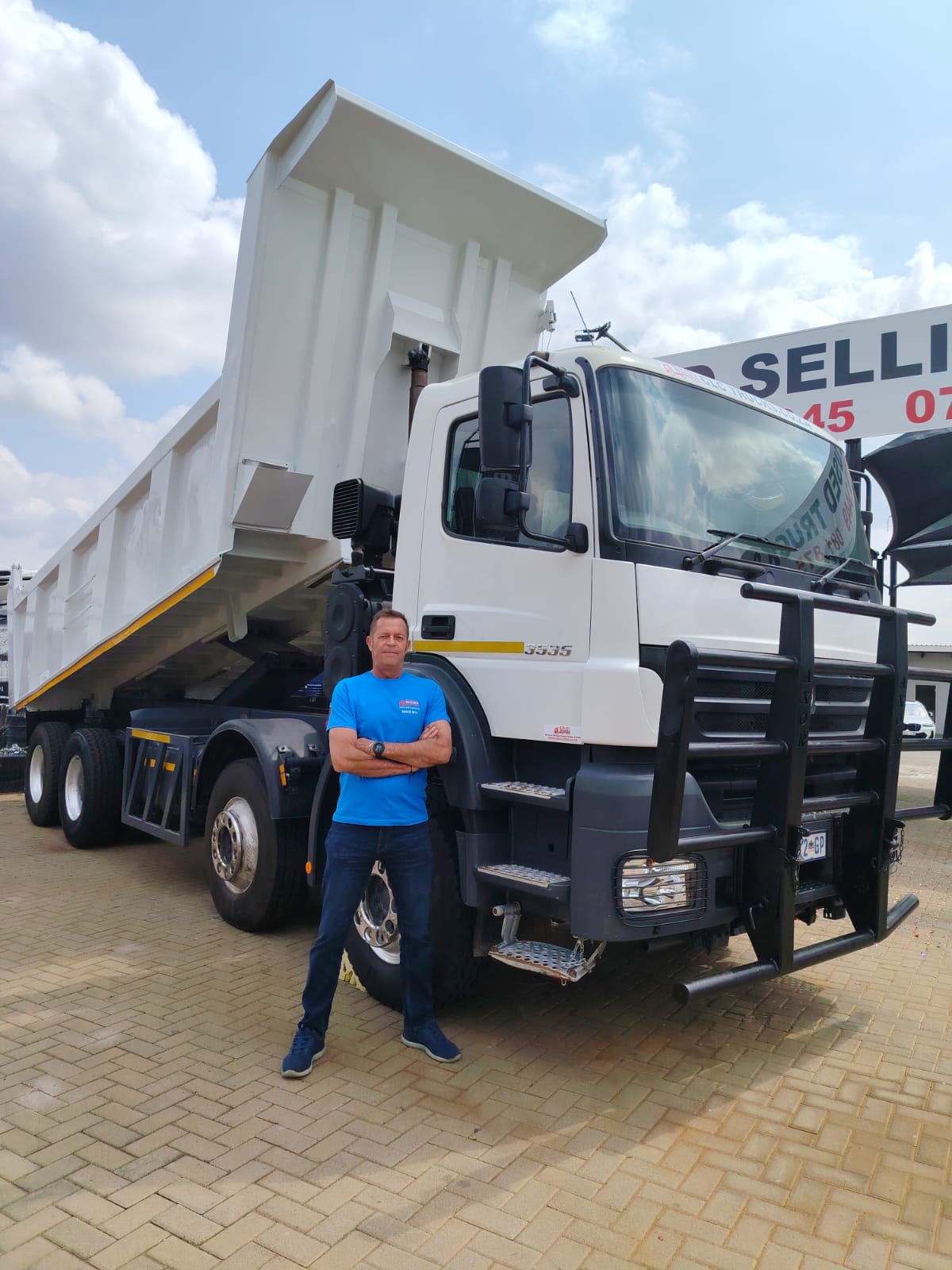
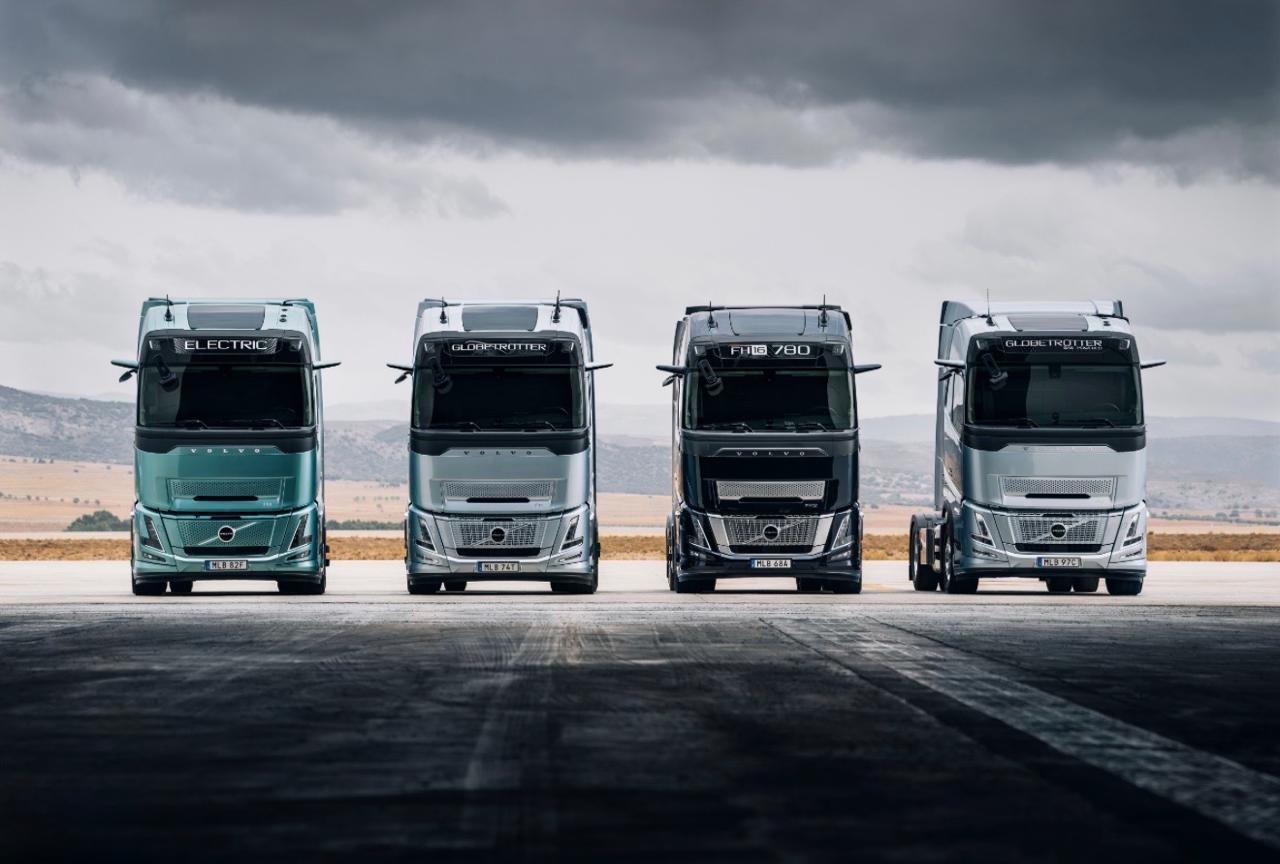
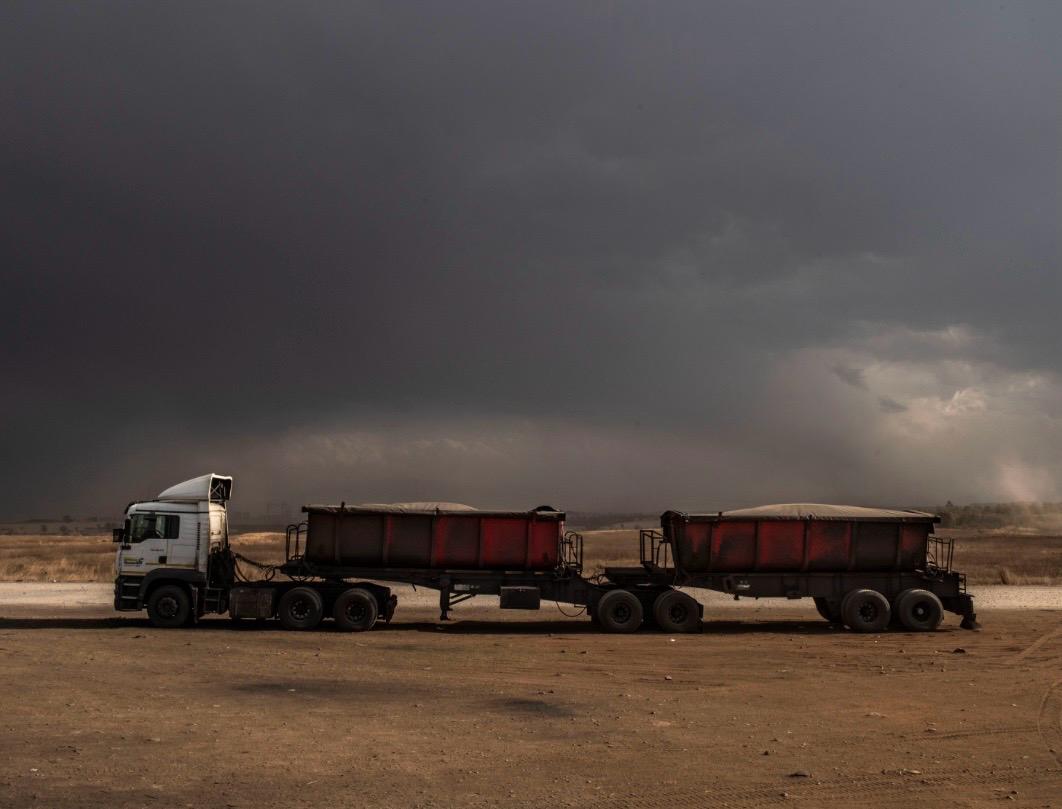
Sales in the medium and heavy commercial vehicle segments reflected a positive performance.
Medium commercial vehicle sales at 720 units were exactly the same as in February 2024, while heavy trucks and buses at 1 941 units reflected a 13,6% increase compared to the units sold in February 2025.
Investment decisions in these segments remain closely linked to infrastructure spending trends, freight volumes, electricity costs, and overall business confidence.
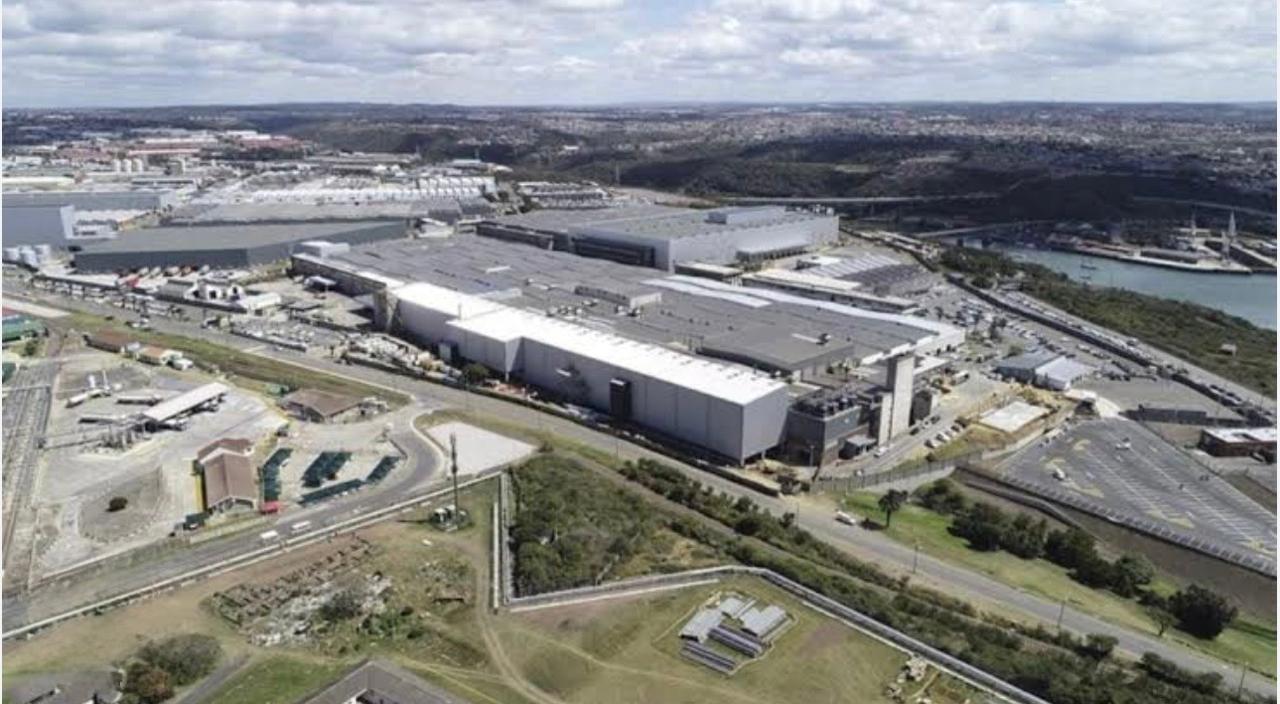
South Africa plans to save its local car manufacturers industry (OEMs) with increased taxes on affordable Chinese imported cars
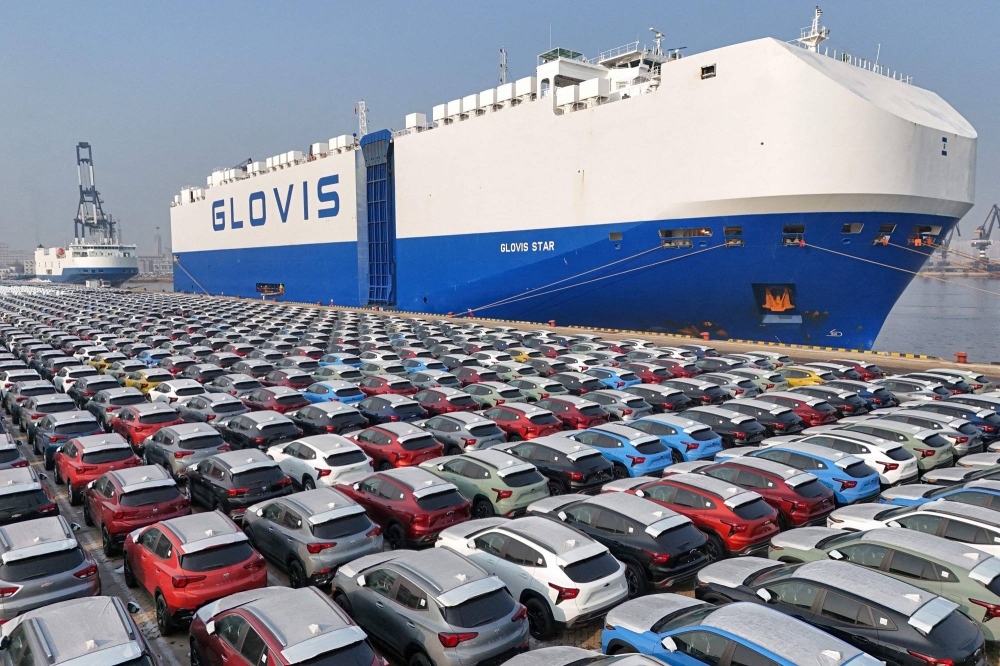
Good news for South African motor manufacturers is that Government is considering raising import duties on Chinese and Indian-made cars in an effort to protect local manufacturers.
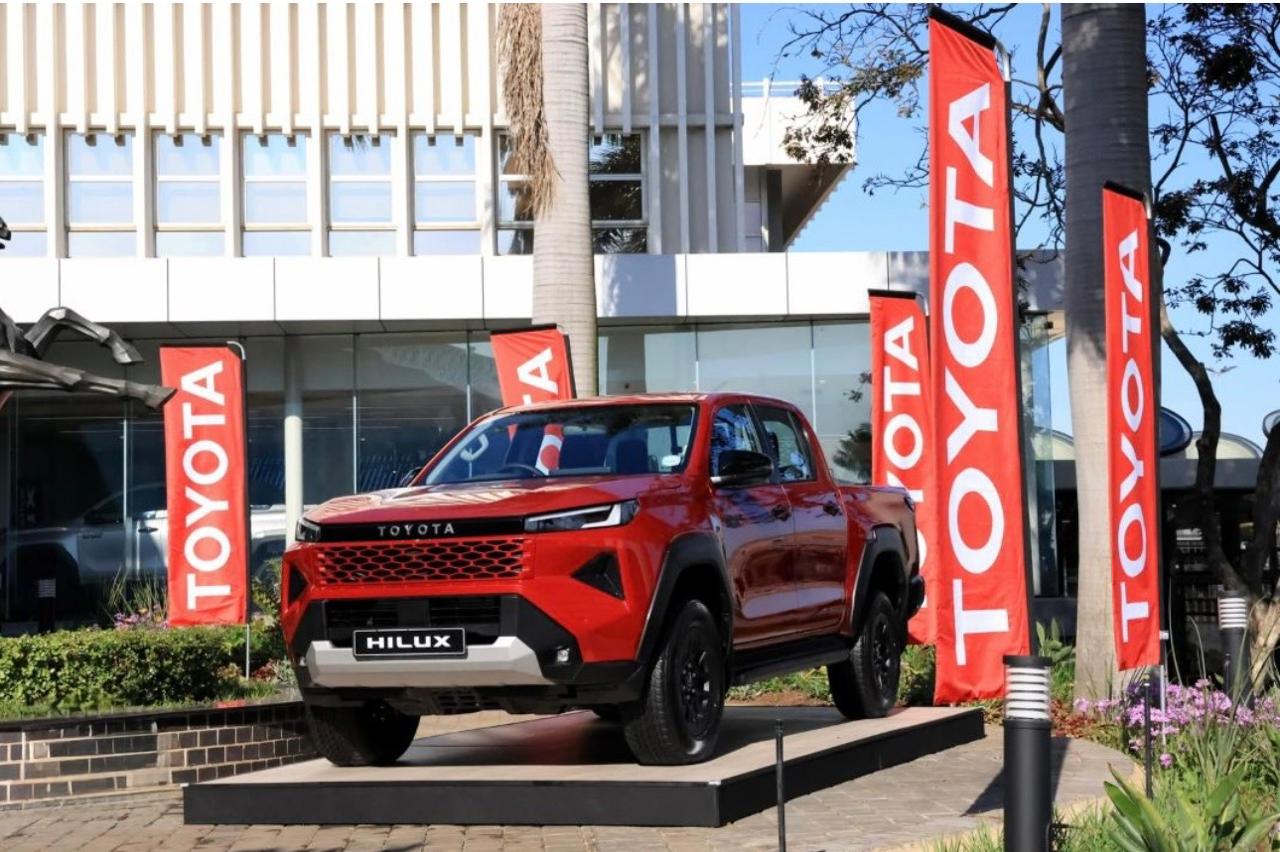
There are seven locally manufactured brands in South Africa (OEMs) – Toyota, Ford, VW, BMW, Mercedes-Benz, Nissan, and Isuzu – all of which are very popular, but less affordable than the Chinese imports.
The VW Polo Vivo, made in the Eastern Cape, has a starting price of R271,900, making it the only locally built passenger car to retail for less than R300 000.
This affordability crisis is well-known, which is why Indian and Chinese imports have seen so much success in recent years.
Most of Toyota’s sub-R400,000 vehicles are Suzuki rebadges, meaning they are also Indian imports.
Cars like the Toyota Starlet, Mahindra XUV, Suzuki Fronx, and Chery Tiggo 4 Pro (all of which cost less than R300 000) have all proven to be massive hits, which has caused an upset in the local car industry as consumers have moved away from old favourites like the VW Polo towards these more affordable alternatives.
This has set off alarm bells for industry stakeholders, ranging from dealerships to the OEMs themselves, all of whom have warned that urgent government intervention is needed to support local manufacturing and employment.
The Department of Trade, Industry and Competition is currently considering to double import duties on Chinese and Indian cars from 25% to 50%.
In other words, the government’s solution to the vehicle affordability crisis is to raise prices on cheap Chinese imported cars.
Huge blow for petrol prices in South Africa next
The price of fuel is going up this month, and more so for diesel users.
The Department of Petroleum and Mineral Resources has published the official fuel price for March 2026, which will take effect today, Wednesday 04 March 2026.
This came as a result of this past weekend when the US and Israel launched attacks into Iran, plunging the region into conflict.
Petrol users will see an increase of 20c per litre for both 93 and 95 octane, while diesel will receive a more substantial hike of between 62c and 65c per litre.
Herewith the fuel prices for March that will reflect at the pump:
| Fuel Type | Inland Price | Coastal Price |
|---|---|---|
| Petrol 93 | R20.19 | R19.40 |
| Petrol 95 | R20.30 | R19.47 |
| Diesel 0.05% (Wholesale) | R18.53 | R17.70 |
| Diesel 0.005% (Wholesale) | R18.60 | R17.84 |
In closing, once again thanks to Naamsa for the sales statistics, topauto and businesstech for valuable market and economical information!
– Cobus Lourens –