South Africa’s domestic new vehicle sales maintain an upward swing and vehicle exports recover
South Africa’s new vehicle market recorded continued growth in October 2026, despite demanding cost-of-living pressures affecting consumers.
Total domestic sales reached 61 890 units in October 2026, representing a 10,4% increase compared to the 56 051 units sold during October 2025.
Export sales surprised on the upside, reaching 38,117 units and reflecting a 6.3% increase compared with the corresponding month last year.
The October 2026 new passenger car sales registered 45 084 units, an increase of 13,6% compared to October 2025. Interesting is that the car rental industry accounted for a sound 21,4% of new passenger vehicle sales during the month.
Medium commercial vehicle sales reached 770 units during October 2026, a decrease of 0,9% compared to the 777 units sold in October 2025.
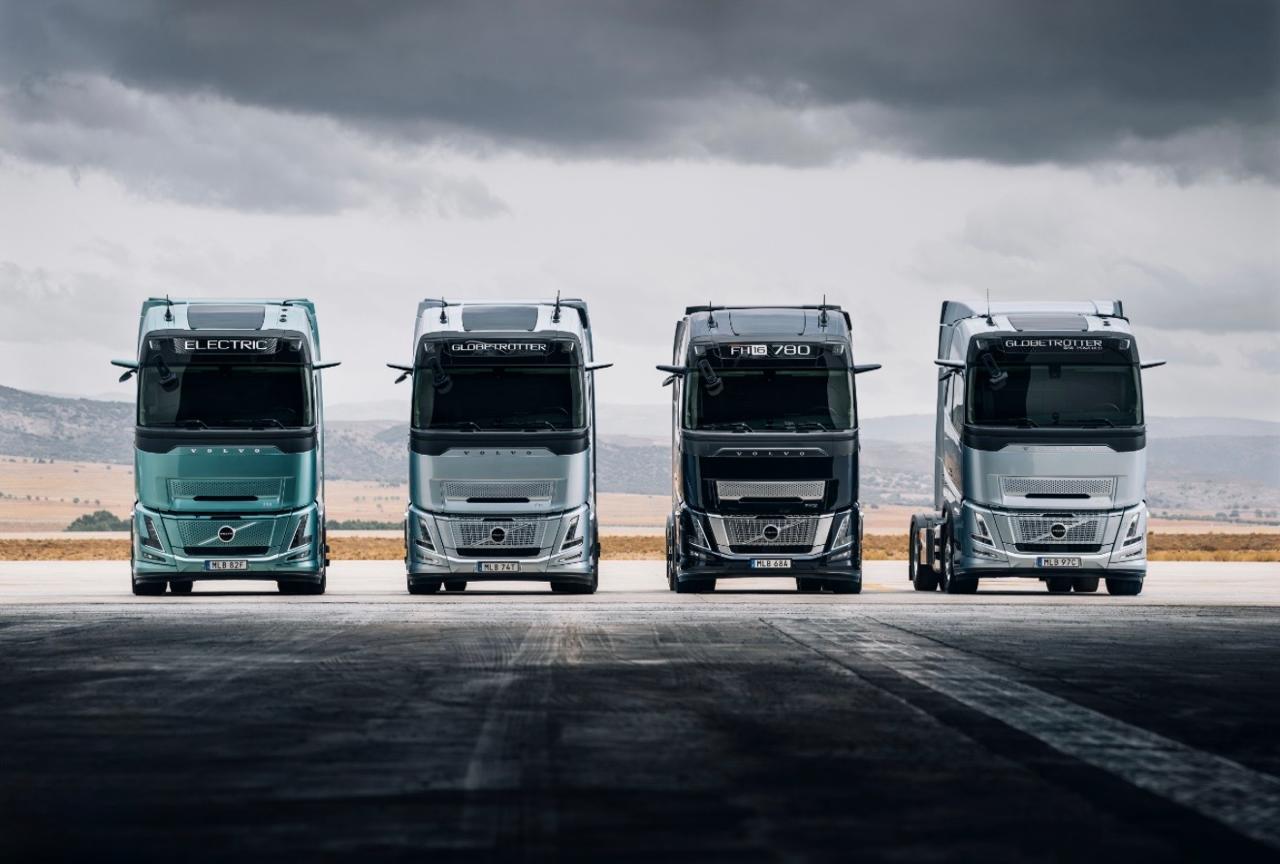
Heavy truck and bus sales totalled 2 337 units representing an increase of 175 units, or 8.1%, compared to the 2 172 units sold in October 2025.
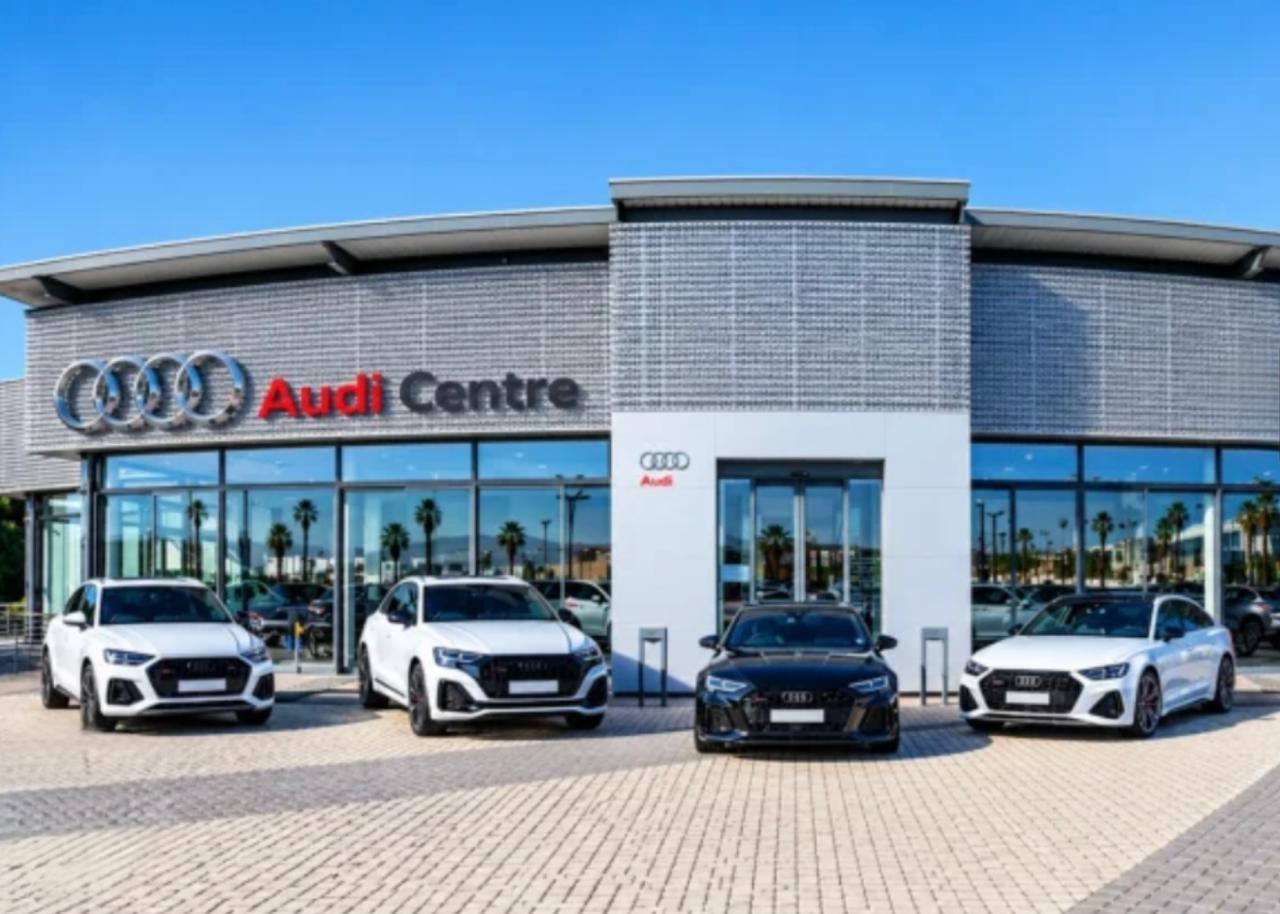
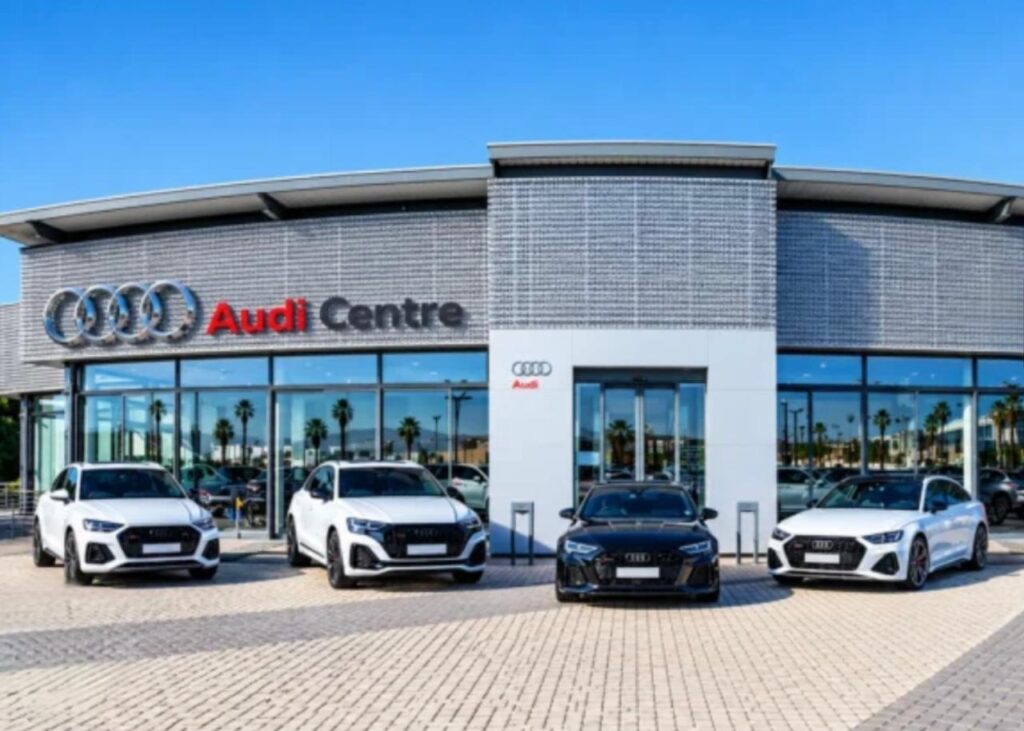
Audi experiences declining market share in South Africa
Audi’s sales have plummeted by 76% over the last 12 years, which shows the brand’s decline in South Africa amidst increased competition. The automaker has a long history in South Africa, which dates back to 1968, when local distributors started to sell the Audi 100.
In the eighties, local production expanded with an assembly plant in Uitenhage manufacturing the Audi 80 and the Audi 100. The Audi quattro became known as the ‘must-have’ performance car, and it has sold over 60,000 units since its launch in the seventies.
The brand became synonymous with sporty vehicles, high build quality and stylish design. To own an Audi, especially an Audi Quattro, was a significant status symbol in South Africa. In the 2000s, Audi South Africa continued to expand its portfolio, launching models such as the Audi Q7, marking its entry into the SUV segment. The German carmaker enjoyed strong growth and competed well against rivals such as Mercedes-Benz, BMW, and Volvo. Audi enjoyed its peak sales volumes in South Africa between 2012 and 2014, reaching a record high of 18,375 cars sold in 2014. Unfortunately, since then, the automaker has faced a tough time in South Africa due to increased competition and economic uncertainty.
One of the biggest factors was South Africa’s weak economic growth, which led many people to buy more affordable cars. This hurt the luxury market, especially traditionally popular German brands like Mercedes-Benz, BMW, and Audi. Another challenge was the influx of affordable Chinese car brands into South Africa, such as BYD, Jetour, Omoda, Jaecoo, and GWM.
Trouble for anyone who owns a Chinese truck or car in South Africa
South African motorists and truckers who bought Chinese vehicles a few years ago are facing steep depreciation when wanting to trade them in, which has left some owners owing banks more than what their vehicles are worth.
Combined Motor Holdings (CMH), one of South Africa’s major motor retail groups, highlighted the problem in its interim results for the six months ended 31 August 2026. The group said the expansion of Chinese vehicle brands has created opportunities for buyers but also introduced uncertainty around resale values in an increasingly overstocked market.
Chinese brands made a significant impact, with their share rising from 14.8% to 20% of national sales, CMH said. However, the group warned that the growing number of manufacturers and models makes it difficult to determine which brands will retain their value and remain competitive over the long term.
For existing owners, the immediate concern is what their vehicles are worth in the second-hand market. Vehicles from Chinese and other Asian manufacturers that entered South Africa at competitive prices four to five years ago are now reaching the stage where their owners would typically consider trading them in. However, these Chinese vehicle depreciations have been more aggressive than many buyers expected, resulting in a growing gap between trade-in values and outstanding vehicle finance.
In closing, with the petrol and diesel prices expected to drop from tomorrow 4 November, we wish you all a prosperous last full production month for 2026! And as per always, a big thank you to Naamsa for on time and accurate sales statistics, as well as Business tech and Daily Investor for valuable market news!