Economic stability fuels confidence in new vehicle market
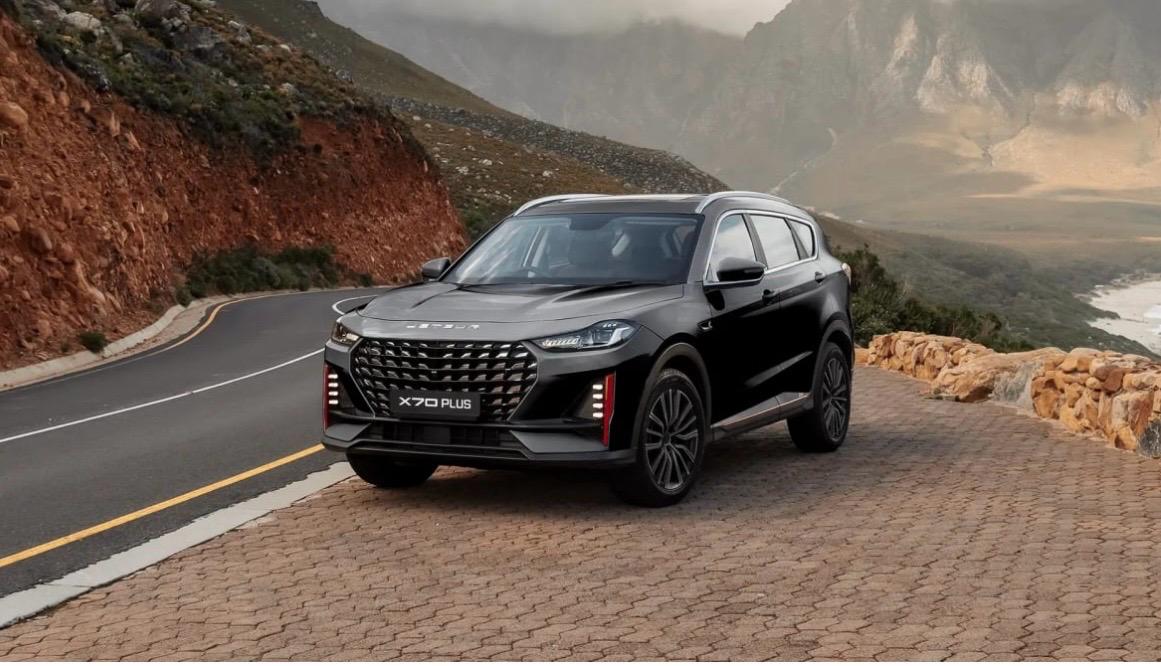
South Africa’s new vehicle sales in September 2025 showed ongoing expansion of imported models and brands.
Total new vehicle sales increased to 54 700 units in September 2025, its highest monthly level recorded since September 2015.
The September 2025 new passenger car sales at 38 603 units, its highest level since October 2014, registered an increase of 8 436 cars, or a gain of 28% compared to the 30 167 new cars sold in September 2024. Car rental sales accounted for a substantial 20,1% of new passenger vehicle sales during the month.
Sales for medium and heavy truck segments of the industry once again reflected a mixed performance in September.
Medium commercial vehicle sales of 767 units recorded a decrease of 15 units sold in the corresponding month last year. Heavy commercial vehicles sales at 2 252 units, recorded an increase of 125 vehicles, or 5,9%, compared to the 2 127 units sold in the corresponding month last year.
Vehicle export volumes for the month of September 2025 surprised with an increase of 9 592 units, or 32,9% from the 29 180 units exported in September 2024. Despite US Automotive tariffs the year to date, vehicle exports were now 6,0% ahead of the same period 2024.
New vehicle sales stats for September was released at the 2025 SA Auto Week, that took place in Gqeberha, Eastern Cape Province, from 1-3 October. This year’s gathering was very special as Naamsa celebrates its 90th anniversary.
Another major city, this time around, East London, is at risk of becoming a ghost town in South Africa
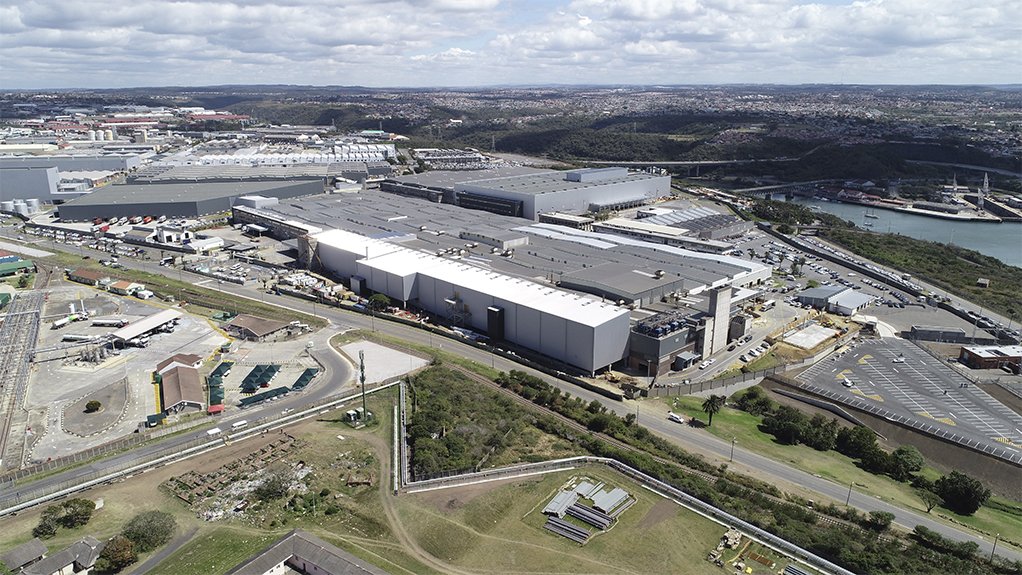
If Mercedes-Benz South Africa (MBSA) decides to scale back or shut down its local operations then East London will be facing a real risk of turning into a ghost town. The problem comes down to trade with the United States, South Africa’s second-largest export market for vehicles.
For years, Mercedes-Benz has been exporting its C-Class sedan from East London to the US under the African Growth and Opportunity Act (AGOA), which scrapped import duties for African-made cars.
However, this arrangement collapsed when the Trump administration imposed a 30% tariff on South African imports.
In August alone, exports of Mercedes-Benz passenger cars fell by almost half. Nearly all of these cars were C-Class sedans built in East London, showing how dependent the plant is to US trade.
Mercedes-Benz is now weighing its options. Closing the factory is possible, but it would be a drastic step, especially after they spent about €600 million in 2022 to modernise the facility.
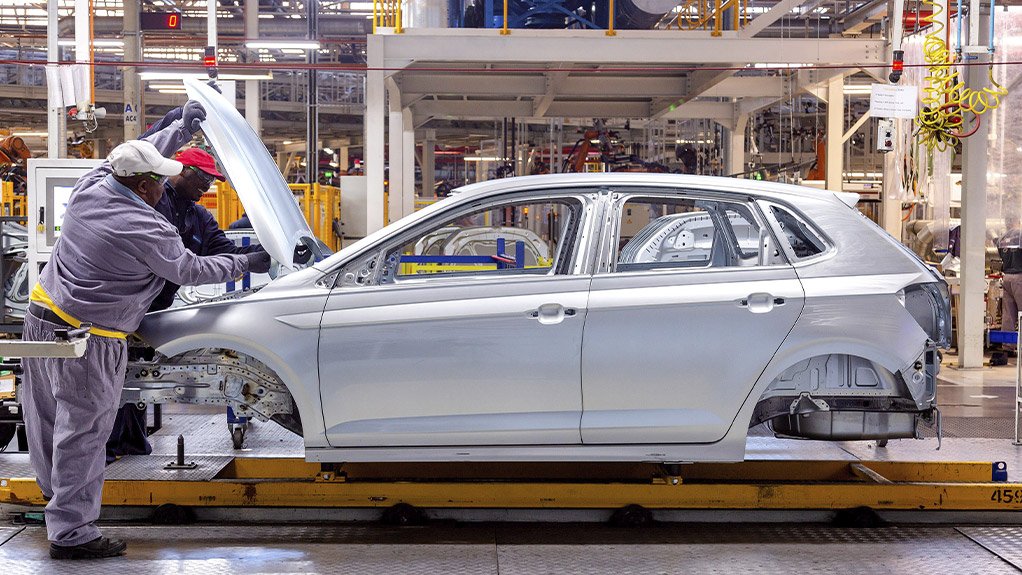
The plant employs 2 400 people and produced 70 000 cars in 2024, with MBSA and its suppliers contributing around 25% of East London’s economy.
Thousands of jobs and businesses linked to the automotive supply chain could disappear.
Mikel Mabasa, CEO of the automotive business council Naamsa, also commented that you cannot imagine East London without Mercedes-Benz. MBSA exports almost 90% of their cars to the US.
The East London factory has been operating since 1962 and is one of the few plants worldwide trusted to build the luxury C-Class for export.
Mabasa urged that negotiations between South Africa and the US are urgently needed to reduce the impact of tariffs. We remain hopeful that a deal between the US and South Africa can still be negotiated he said.
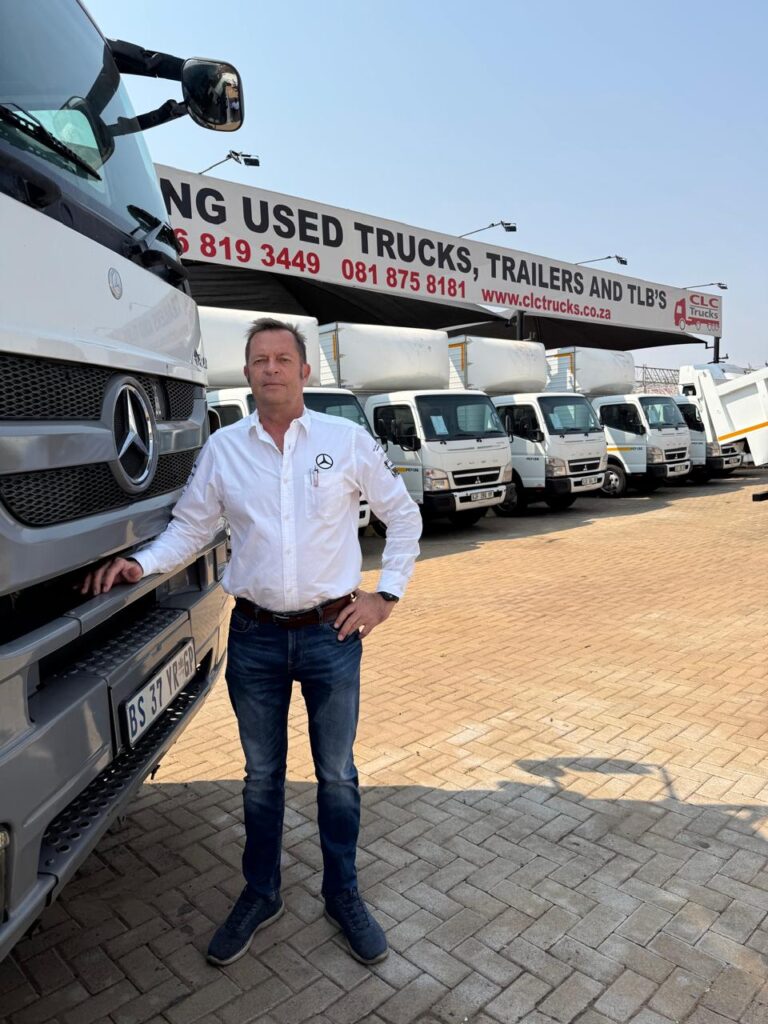
In closing we at CLC Trucks would once again like to thank Naamsa for on-time reporting and also Bussinesstech for valuable information.
Wishing you all a productive and profitable October!
– Cobus Lourens –